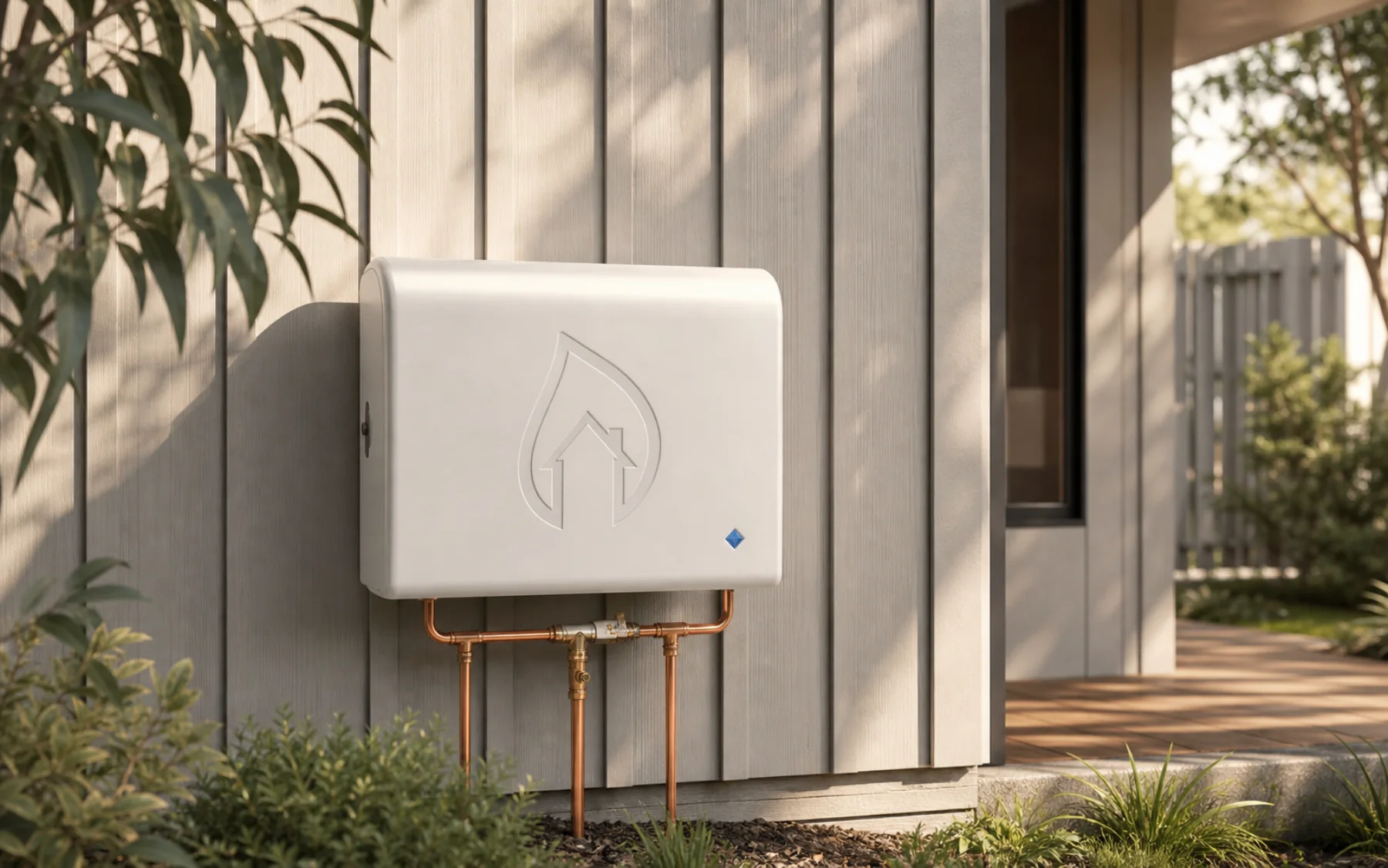
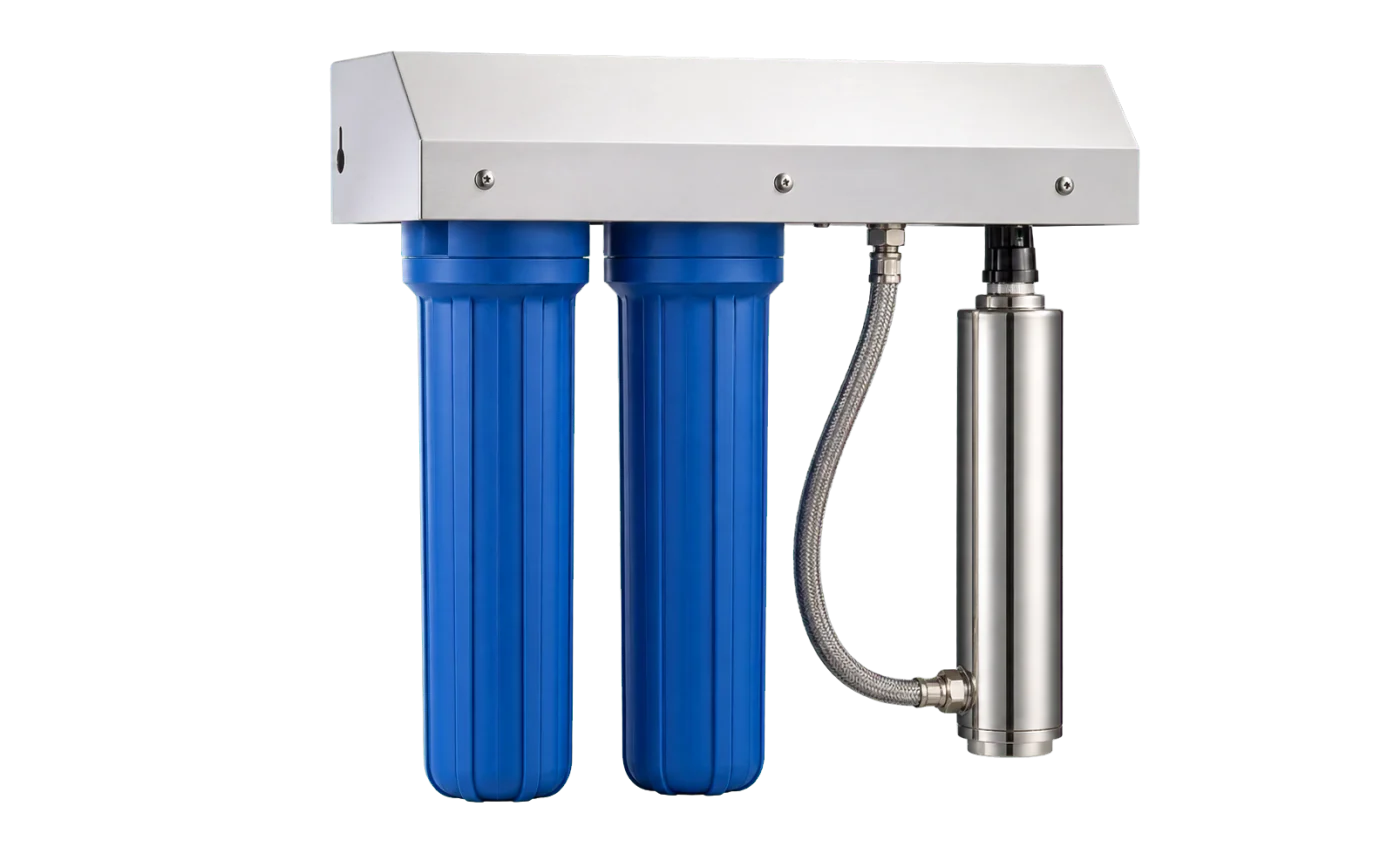
TAILORED, NOT OFF THE SHELFThe right system begins with the right questions.
Water source, household size, plumbing layout and the outcome you want all influence system design. Our assessment process turns those details into a clear recommendation.
- Configured around local water conditions
- Sized for household demand
- Installed and commissioned professionally
WHERE TO STARTThree Solutions, Three Different Jobs
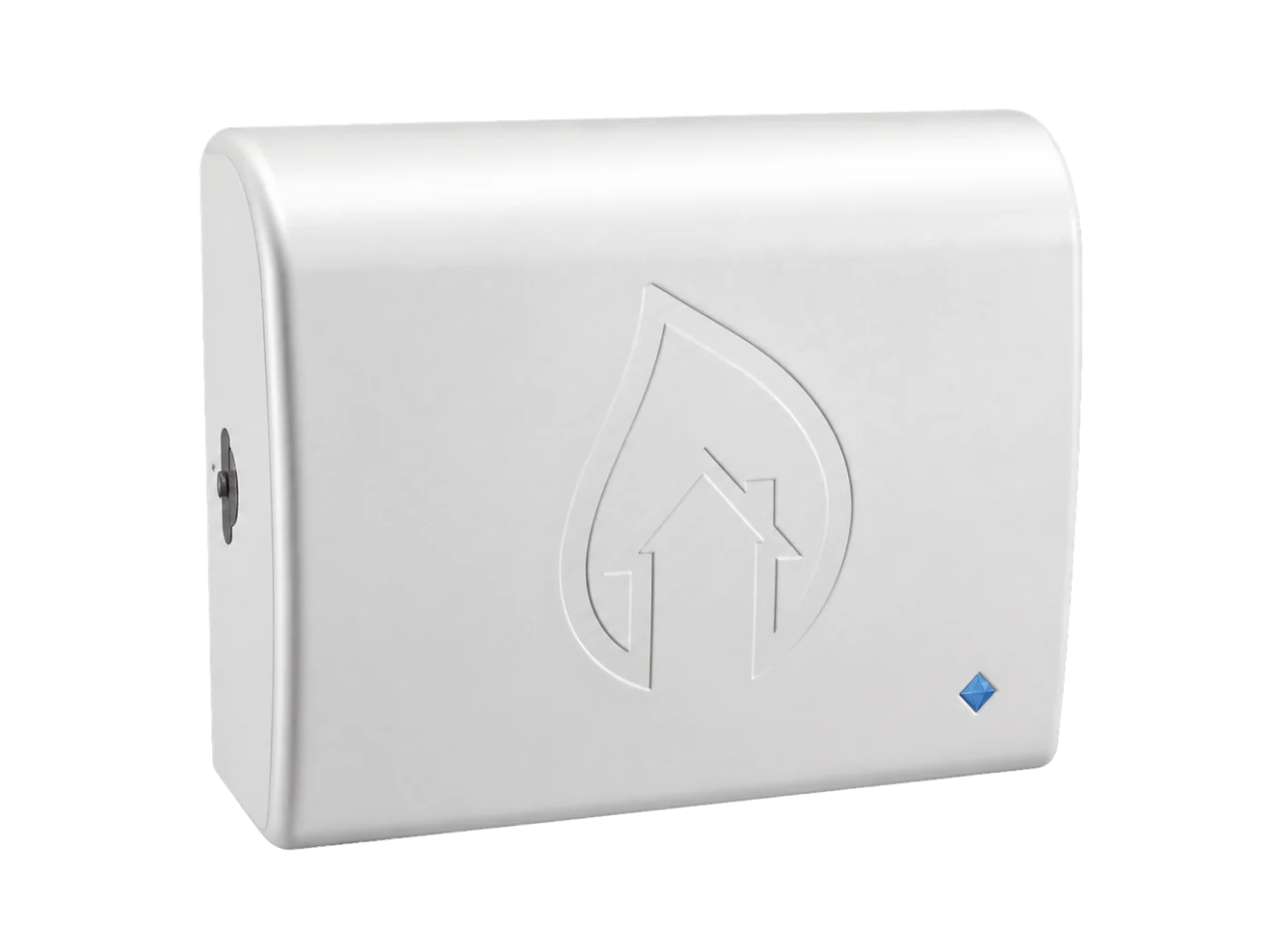
Most residential water concerns fall into one of three categories, and each has its own technology. Whole-home filtration treats everything entering the property. A water softener addresses dissolved hardness minerals. Reverse osmosis refines a small daily volume very thoroughly at one tap. Knowing which category your concern belongs to narrows the choice considerably before any equipment is discussed.
- Whole-home filtration: every outlet
- Water softener: hardness and scale
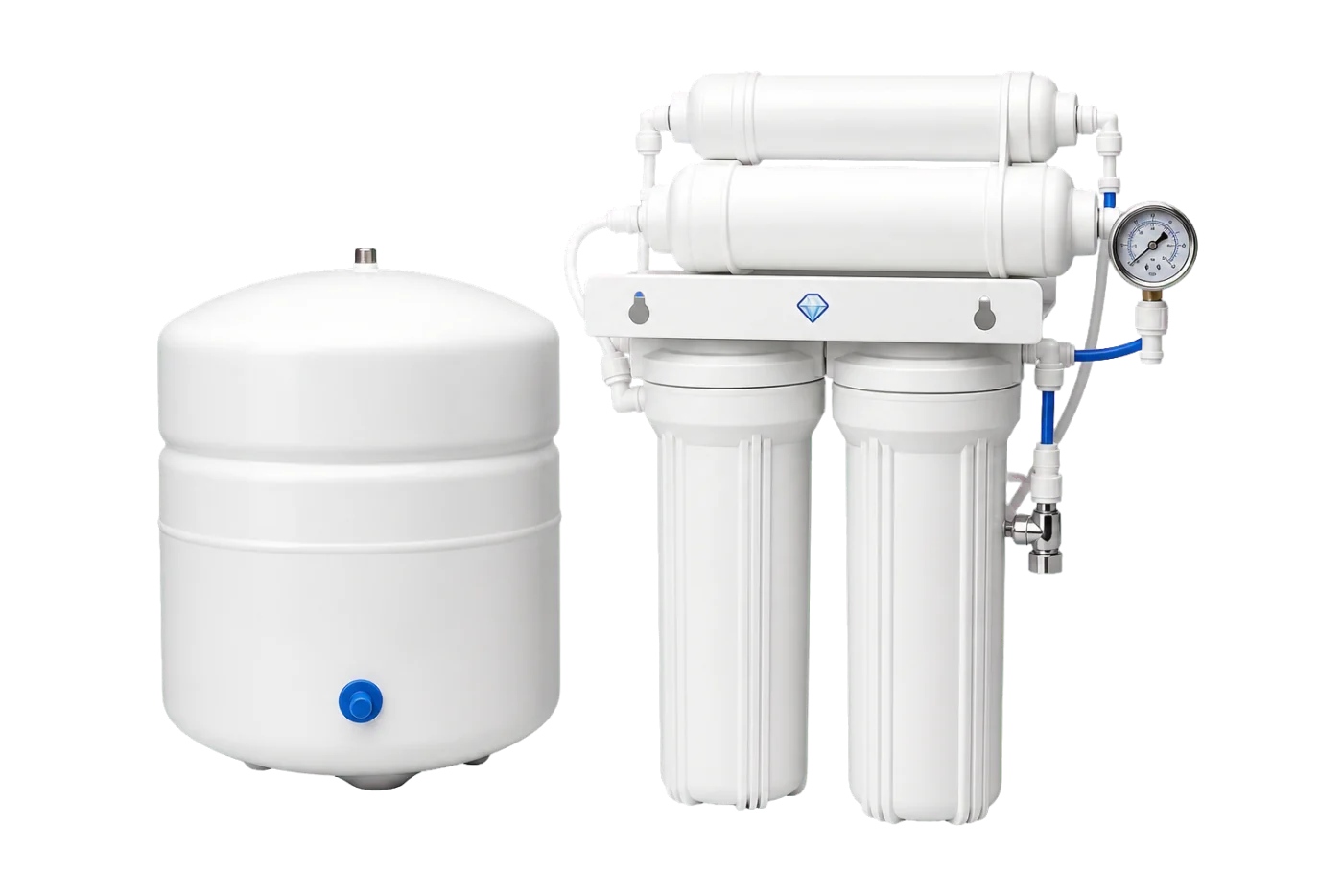
- Reverse osmosis: drinking and cooking water
Whole-home filtration, water softening and reverse osmosis compared| Comparison | Whole-home filtration | Water softener | Reverse osmosis |
|---|
| Main purpose | Reduces targeted impurities carried in the water, depending on the media selected. | Reduces dissolved calcium and magnesium, the minerals that make water hard. | Refines a small daily volume much further, for drinking and cooking. |
|---|
| Installed at | The point the supply enters the property, before it branches to fixtures. | Near the supply entry, with access to drainage for regeneration. | Under the kitchen sink, with a separate tap fitted at the sink. |
|---|
| What it covers | Every outlet in the property, including showers, laundry and appliances. | The supply entering the property, so hardness is treated before it reaches fixtures. | One outlet only. |
|---|
| Best suited to | Households whose concerns are not confined to drinking water. | Homes seeing deposit on taps and shower screens, spotting on glassware, or scale inside a water heater. | Households whose priority is specifically drinking and cooking water. |
|---|
| Addresses hardness? | No. Filtration is not designed to remove dissolved hardness minerals. | Yes. This is the problem it exists to treat. | No. It treats a single outlet, so it does not affect scale elsewhere in the property. |
|---|
| Dedicated drinking-water tap? | No. It improves every outlet to one standard. | No. Softening targets hardness rather than taste or chlorine. | Yes. A separate tap keeps the treated water for drinking and cooking. |
|---|
| Maintenance | Periodic media replacement, at an interval set for the installed system. | On salt-based systems, keeping the salt topped up and having the resin checked. | Pre-filters and post-filters replaced periodically; the membrane less often. |
|---|
Which One Fits Your Situation?
If the concern spans showers, laundry and appliances as well as the kitchen, whole house water filtration is the logical starting point. If the issue is deposit on fixtures and glassware, that points toward hardness and a softener. If it is specifically what you drink and cook with, a reverse osmosis system at the sink may be all that is required. Households with more than one of these concerns often combine two technologies rather than choosing between them.
- Concern across the property: whole-home filtration
- Scale and spotting: water softening
- Drinking water specifically: reverse osmosis
BEFORE BUYINGThe Assessment Comes First
Whichever category applies, the specification follows an assessment at the property rather than a catalogue. Supply type, household size, peak demand, plumbing entry point and available space all shape what can be installed and how it should be sized. That visit is free and carries no obligation, and it is what turns three general options into one appropriate recommendation.
- Supply, demand and plumbing reviewed on site
- Sizing decided from findings, not assumptions
- Free assessment with no obligation