
Tailored configuration
Filtration stages and capacity are selected for the supply and household.
We connect assessment, configuration, installation and aftercare so every part of the experience supports the same outcome.
Schedule a Free Assessment→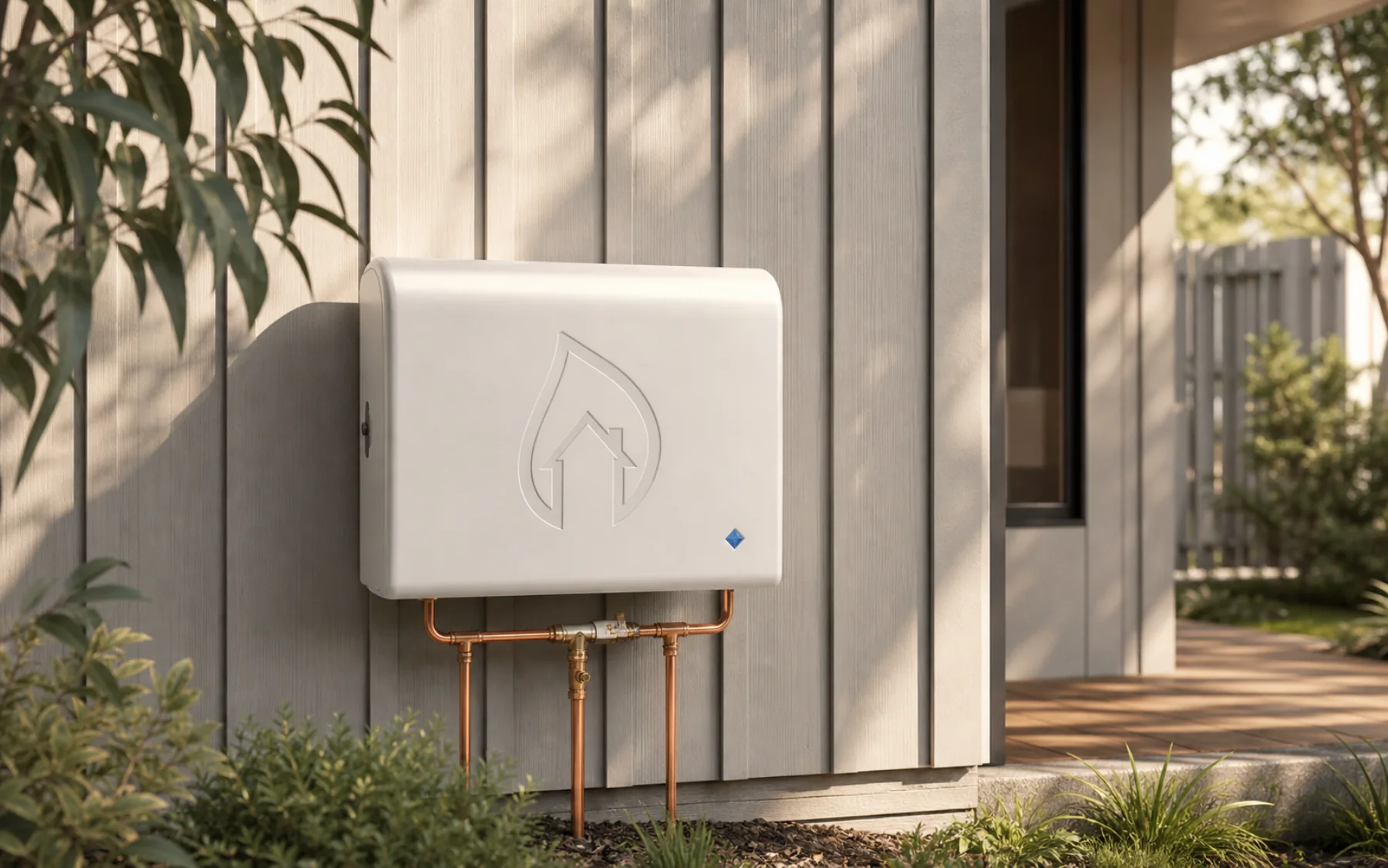
Filtration stages and capacity are selected for the supply and household.
The system is positioned, connected and commissioned with care.
Clear servicing information makes maintenance easier to plan.

We gather the information that matters before proposing equipment, helping avoid undersized systems, unnecessary stages and awkward installation outcomes. Those three failures account for most of the regret in this category, and all three are decided before anything is installed. None of them is a manufacturing problem.
A system has to sustain the flow your house demands when more than one outlet is running. Undersizing is the cheap mistake: the system performs on the day it is commissioned and then disappoints once the household uses the house normally, and it is not correctable afterwards without replacing equipment. We size capacity from your occupancy and the number of bathrooms, and we will tell you how the figure was arrived at.
A configuration should be explainable stage by stage: this one is here for sediment, this one for chlorine and taste, this one for hardness. If a stage cannot be tied to a concern the assessment identified, it should not be in the quote. This is also the easiest thing for you to audit in anybody's proposal, ours included, and we would rather you did.
Treatment equipment has consumables, which means somebody has to reach it again. A system fitted into a position that looks tidy on handover day and is awkward to open turns a routine media change into a job, and that cost lands on you for as long as you own the system. Where equipment sits is part of the specification here, including room to work and, where a system regenerates, access to a drain.
You should leave the handover knowing what needs replacing, roughly when, and what it costs. Those intervals depend on the equipment installed and on how much water your household puts through it, so we give you the figures for your system rather than a general number. Service requests go to a person who can see what was installed and when.
Mostly the decisions made before anything is installed: how capacity was sized, whether each stage has a purpose tied to an identified concern, and whether the equipment can be serviced where it was put. Those are the questions worth asking of anyone quoting, and the answers should be specific to your house.
Ask what each stage is for, how the capacity was calculated for your household, where the equipment will sit and how it will be serviced, what the consumables cost and how often they fall due, and who is accountable if the system underperforms. A quote that cannot answer those is a single number, not a proposal.
Tell us about your home and your water goals. We’ll help shape the right next step.